When the power goes out, the hum of a portable generator can be a real lifeline, keeping essentials like your fridge, furnace, and Wi-Fi running. But connecting a generator to your home’s electrical system isn't as simple as plugging into any outlet. This is where Generator Interlock Kit Regulations & Electrical Codes become not just important, but absolutely critical for safety. Ignoring these rules puts your home, your family, and even utility workers at grave risk.
This guide isn't just about technicalities; it’s about empowering you to make informed decisions for reliable, code-compliant, and above all, safe backup power.
At a Glance: Key Takeaways for Generator Interlock Kits
- Safety First: Interlock kits mechanically prevent dangerous "backfeeding" into the utility grid, which can electrocute utility workers.
- Code Mandate: They are required by the National Electrical Code (NEC Article 702) and local jurisdictions.
- Professional Installation is Key: A licensed electrician ensures panel compatibility, proper wiring, and adherence to all codes.
- Permits & Inspections: These aren't optional; they're essential for safety, insurance, resale, and legal compliance.
- Cost-Effective: Interlocks offer a significantly more affordable backup solution than whole-home standby generators, typically ranging from $800 to $2,000 professionally installed.
- UL Listed: Always ensure your interlock kit is listed and labeled by a nationally recognized testing laboratory (e.g., UL).
The Silent Threat: Why Interlocks Are Non-Negotiable for Safety
Imagine utility workers diligently restoring power to your neighborhood after a storm. What they don't expect, and what could cost them their lives, is a surge of electricity from your home's generator accidentally flowing back into the power lines. This phenomenon, known as backfeeding, is the primary danger an interlock kit is designed to prevent.
Backfeeding occurs when a generator is connected to a home’s electrical panel without proper isolation from the main utility grid. Without an interlock or an automatic transfer switch, the generator's power can travel backward through your electrical meter, onto the street's power lines, and into the utility infrastructure. These lines, which linemen assume are de-energized, suddenly become lethal.
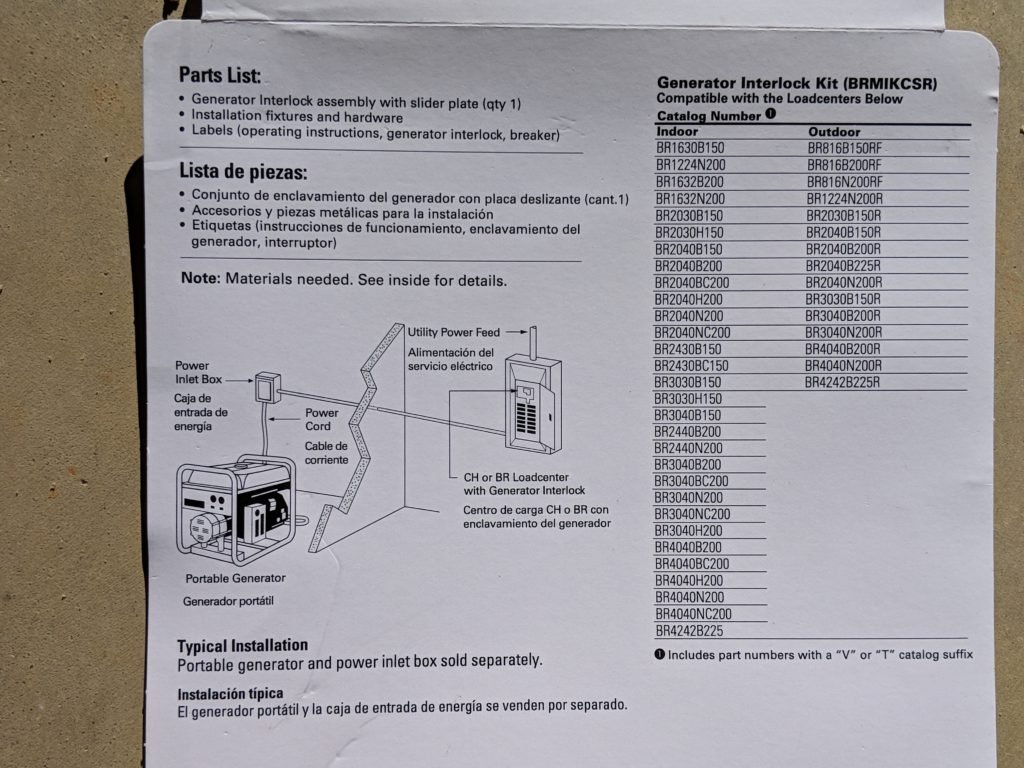
A generator interlock kit is a brilliantly simple mechanical device that acts as a physical gatekeeper in your electrical panel. It ensures that the main utility breaker and the generator breaker can never be turned on simultaneously. You manually switch off the main utility power, then slide the interlock plate into position, allowing you to turn on the generator breaker. This sequence guarantees your home's system is completely isolated from the grid before your generator's power is introduced, protecting both you and those working on the lines.
Interlocks vs. Standby Generators: Balancing Cost and Convenience
When considering backup power, homeowners often weigh the options between a whole-home standby generator and a portable generator paired with an interlock kit. While both serve the purpose of providing electricity during an outage, they come with significant differences in cost, automation, and installation complexity.
Standby Generators: The "Set It and Forget It" Option
A whole-home standby generator is a permanent installation, typically fueled by natural gas or propane, that automatically kicks on when utility power fails. These systems are powerful, can run for extended periods, and require no manual intervention from the homeowner. They're the epitome of convenience and seamless backup power.
However, this convenience comes at a premium. A professionally installed whole-home standby generator system typically costs between $10,000 and $18,000+, depending on size, brand, and installation complexities.
Interlock Kits: Cost-Effective Manual Control
For many homeowners, a portable generator combined with an interlock kit offers a far more accessible and economical path to dependable backup power. This setup requires manual operation – you'll need to start the generator, plug it into an outdoor inlet, and operate the interlock in your panel – but it effectively powers essential circuits for a fraction of the cost.
A professionally installed generator interlock system typically costs between $800 and $2,000 total. This includes:
- Interlock Kit & Generator Breaker: $150 – $400
- Labor & Panel Modifications: $350 – $800
- Outdoor Generator Inlet & Wiring: $300 – $800
This substantial cost difference makes interlock kits an attractive option for those prioritizing budget and willing to manage their backup power manually. To delve deeper into the types and functionalities of these essential devices, you might find our guide All about generator interlock kits particularly helpful.
Navigating the Code: Your Blueprint for a Safe Installation
Electrical work, especially when it involves connecting to your home's main service, is heavily regulated for a very good reason: safety. For generator interlock kits, these regulations primarily stem from the National Electrical Code (NEC), a national standard adopted by states and local jurisdictions across the U.S.
The National Electrical Code (NEC) on Transfer Equipment
The NEC isn't just a suggestion; it's the bedrock of safe electrical installations. Specifically, NEC Article 702 (Optional Standby Systems) mandates strict requirements for transfer equipment like interlock kits. Its core directive is clear: transfer equipment must be designed and installed to prevent backfeeding power into the utility grid. This isn't negotiable. It's a fundamental safety measure protecting utility workers and the public.
Why "Listed and Labeled" Matters
Beyond the installation method, the interlock kit itself must meet rigorous safety standards. The NEC requires that such equipment be "listed and labeled" by a nationally recognized testing laboratory (NRTL), such as Underwriters Laboratories (UL).
What does "UL Listed" mean for you? It means that a reputable third party has thoroughly tested the interlock kit for safety, functionality, and adherence to specific design and manufacturing standards. This listing is your assurance that the product has undergone stringent evaluation to perform reliably and safely when installed correctly. Always look for the UL mark or equivalent NRTL listing on any interlock kit you purchase.
State and Local Requirements: The Final Say
While the NEC provides the overarching framework, remember that electrical codes are ultimately enforced at the state and local levels. This means specific legality and requirements for generator interlock kits can vary. Some jurisdictions might have additional amendments to the NEC, or they may even prefer or mandate a full transfer switch over an interlock kit in certain scenarios.
Your Action Item: Before any work begins, always consult your local building department or electrical inspector (often referred to as the Authority Having Jurisdiction, or AHJ). They can provide the precise rules, permit requirements, and specific interlock kit type/installation guidelines for your area. Skipping this crucial step can lead to costly rework, fines, and an unsafe installation.
The Right Way to Install: A Step-by-Step Approach to Compliance
Installing a generator interlock kit isn't a DIY project for the faint of heart or the inexperienced. It involves working inside your main electrical panel, which carries lethal voltages. This process requires expertise, precision, and strict adherence to code. Here’s what a compliant, professional installation typically entails:
- Panel Compatibility Evaluation: The first step is to confirm your existing electrical panel can even accommodate an interlock kit. Not all panels are created equal. A licensed electrician will verify the panel's brand, model, and internal breaker layout to ensure a panel-specific, listed interlock kit is available and suitable. This isn't a one-size-fits-all solution.
- Load Review & Generator Sizing: Before wiring anything, your electrician will help you determine which essential circuits you plan to power during an outage (e.g., refrigerator, specific lights, Wi-Fi, well pump, gas furnace blower). This assessment is crucial for calculating the total wattage required and ensuring your portable generator is adequately sized without being overloaded, or overloading your panel circuits. Understanding these electrical loads is key to proper generator load management and avoiding costly damage.
- Permit Application: This is a critical, often overlooked step. Before any physical work begins, a permit must be obtained from your local Authority Having Jurisdiction (AHJ). Permits are required for several non-negotiable reasons:
- Interlock kits connect to service equipment, which directly impacts utility safety.
- Improper installations can endanger utility workers and your household.
- All work must meet current NEC and local electrical codes.
- Permitted work is officially documented, essential for home resale and insurance purposes.
- Interlock Kit Installation: Once permits are in hand, a licensed electrician will install the panel-specific interlock kit. This involves adding a dedicated two-pole generator breaker into your electrical panel and securing the mechanical safety hardware according to the manufacturer's exact instructions and, of course, the electrical code. This is where precision prevents peril.
- Generator Inlet Installation: An exterior, weather-rated generator inlet box is installed on the outside of your home. This specialized inlet provides a safe and code-compliant connection point for your portable generator's power cord. It is wired directly back to the new generator breaker in your main panel.
- Labeling & Operating Instructions: The NEC mandates clear, durable labeling. This includes identifying the generator breaker, outlining step-by-step operating instructions for the interlock system, and prominently displaying warnings against improper use or backfeeding. Clear instructions are vital for safe operation, especially in stressful outage situations.
- Inspection & Approval: After the electrician completes the installation, the work must be inspected by your local electrical inspector. They will meticulously verify code compliance, confirm proper safety measures are in place, and ensure the interlock system operates correctly. The installation isn't considered complete, safe, or legal until it passes this final inspection and receives official approval.
Permits and Inspections: Your Non-Negotiables for Protection
Many homeowners are tempted to skip permits and inspections, viewing them as bureaucratic hurdles or unnecessary expenses. However, for generator interlock installations, this shortcut can lead to severe consequences. Permits and inspections are not just about legality; they are fundamentally about your safety, your investment, and your liability.
Why You Absolutely Need Them
- Ensuring Safety: The most crucial reason. Electrical work, especially with high voltage and utility connections, can be deadly if done incorrectly. Inspections by qualified professionals confirm that the installation meets rigorous safety standards, protecting your family from electrical hazards like fire or electrocution.
- Code Compliance: Inspectors ensure that your installation adheres to the latest National Electrical Code (NEC) and any local amendments. This guarantees the system is installed to the highest industry standards for reliability and safety.
- Insurance Validity: Unpermitted work can void your homeowner's insurance policy. If an electrical fire or other incident occurs related to an unpermitted interlock installation, your insurance company may deny claims, leaving you financially devastated.
- Home Resale Value: When you sell your home, unpermitted electrical work can flag issues during a home inspection. This often leads to buyers demanding fixes, price reductions, or even walking away from the deal. Permitted work is documented and provides peace of mind to future buyers.
- Avoiding Fines and Liability: Local jurisdictions can levy significant fines for unpermitted electrical work. More importantly, if an unsafe installation leads to injury or death (e.g., backfeeding a utility worker), you could face severe civil and criminal liability.
Permits and inspections are safeguards, protecting you, your home, and even utility workers. They add a layer of assurance that the job was done correctly, by qualified professionals, according to established safety codes.
Understanding Your Home's Needs: Load Management and Sizing
While the regulations focus on the safe connection of your generator, ensuring your generator is properly sized and that you manage your electrical loads correctly falls under the umbrella of responsible and code-compliant operation.
Before installing an interlock, a professional electrician will help you conduct a load review. This involves:
- Identifying Essential Circuits: Which appliances and systems absolutely must run during an outage? Think refrigerator, freezer, critical lighting, a few outlets for charging devices, perhaps a well pump or gas furnace blower.
- Calculating Wattage: Summing up the running and starting wattage requirements for these essential items. Starting wattage (surge watts) for motors can be significantly higher than running wattage.
- Generator Sizing: Matching the total required wattage to an appropriate portable generator. It’s crucial not to undersize your generator, as it will struggle and potentially damage itself or your appliances. Overloading a generator is also a fire hazard and can trip breakers, frustrating your efforts to restore power.
Proper load management also extends to operation. Even with a correctly sized generator, you’ll need to be mindful of what you turn on simultaneously. Avoid running multiple high-draw appliances at once (e.g., microwave and toaster oven). This careful consideration is part of operating your generator interlock system safely and efficiently.
Your Next Steps to Safe, Reliable Backup Power
The prospect of losing power is daunting, but having a safe, code-compliant backup solution can turn a stressful event into a manageable inconvenience. A generator interlock kit provides a powerful, cost-effective way to achieve this, provided it’s installed correctly and legally.
Remember, the regulations and electrical codes aren't just arbitrary rules; they are the distillation of decades of safety lessons, designed to protect lives and property. Don't cut corners when it comes to electricity.
Here’s how to move forward with confidence:
- Consult a Licensed Electrician: This is your most critical first step. A professional will assess your home’s electrical panel, discuss your backup power needs, and determine the feasibility and specific requirements for an interlock kit installation. They are your primary resource for understanding local codes and ensuring a safe setup.
- Understand Your Local AHJ: Your electrician will guide you through the permit process, but it’s always good to be aware of your local building department’s role. They are the ultimate authority on what’s permissible in your area.
- Prioritize UL-Listed Equipment: Insist on an interlock kit that is listed and labeled by a recognized testing laboratory like UL.
- Embrace Permits and Inspections: View these as essential safeguards, not obstacles. They ensure your investment is sound, your home is safe, and your family and utility workers are protected.
By following these guidelines, you'll gain not just backup power, but also the peace of mind that comes from knowing your system is fully compliant, safe, and ready when you need it most.