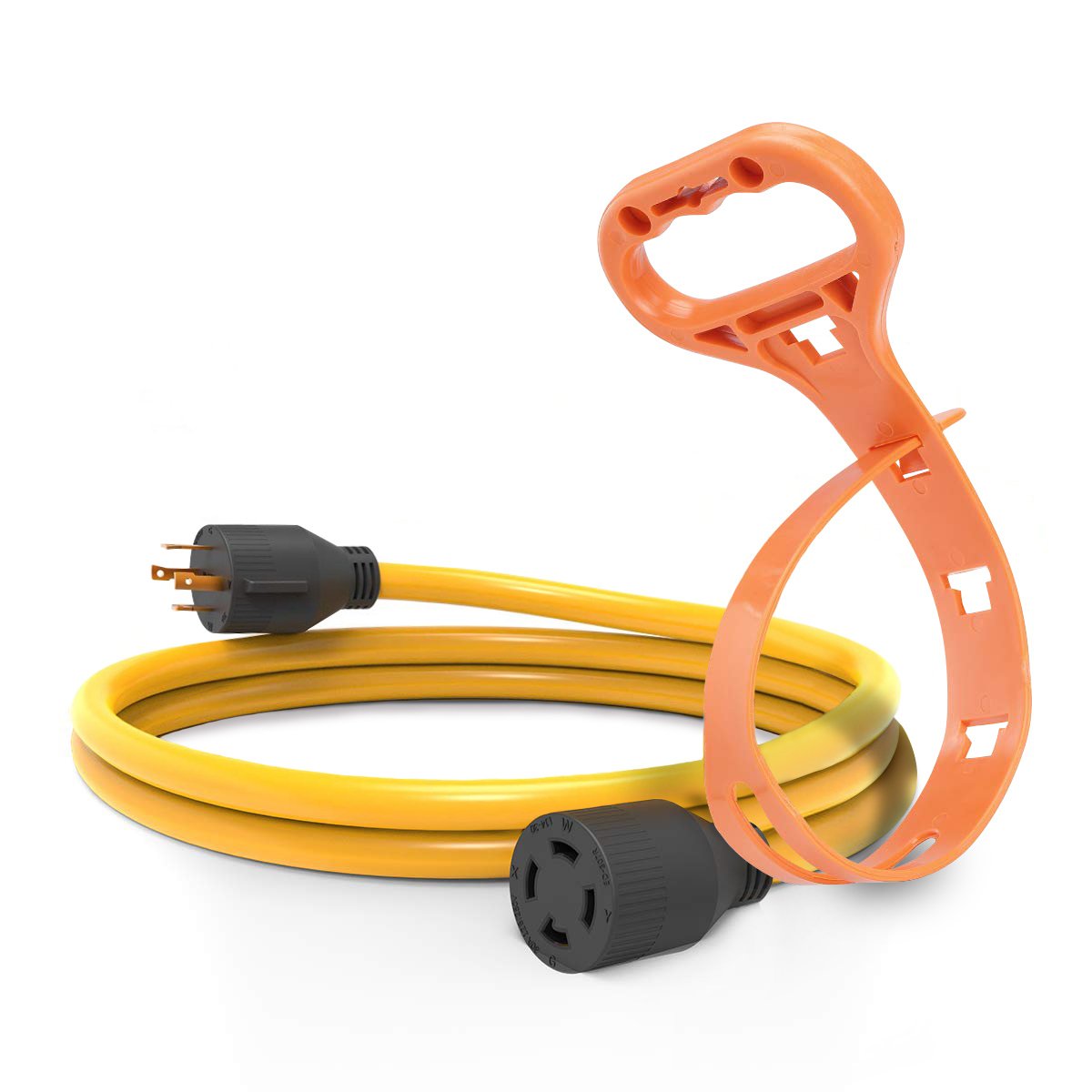
When the lights go out, your portable generator can be a lifeline, powering essential circuits and keeping your home comfortable. But the bridge between your generator and your home's electrical system – the generator interlock kit – is a critical safety device that demands your attention. Ignoring its proper function and upkeep can lead to dangerous situations, from backfeeding the utility grid to damaging your electrical system.
This comprehensive guide will equip you with the knowledge to perform effective Troubleshooting & Maintenance for Generator Interlock Kits, ensuring your backup power system is always ready, reliable, and safe. Think of this as your go-to manual, demystifying the mechanics and empowering you to maintain this vital piece of home safety equipment.
At a Glance: Key Takeaways for Your Interlock Kit
- Safety First: Interlock kits prevent dangerous backfeeding into the utility grid, protecting utility workers and your home.
- Proper Installation is Paramount: Most issues stem from incorrect initial setup. Always ensure it's panel-specific, permitted, and professionally installed.
- Regular Visual Checks: Look for physical damage, debris, or stiff operation of the sliding plates.
- Operational Drills: Periodically test your interlock kit with your generator to ensure smooth, safe switching.
- Understand Your Load: Overloading your generator or circuits is a common cause of trips, not necessarily an interlock kit malfunction.
- When in Doubt, Call a Pro: Electrical work carries inherent risks. Don't hesitate to consult a licensed electrician for complex issues or annual servicing.
- Preventive Maintenance Saves Headaches: Proactive care significantly reduces the likelihood of needing emergency troubleshooting.
Your Interlock Kit: The Unsung Hero of Backup Power Safety
Before diving into the nuts and bolts of upkeep, let's quickly reinforce why your generator interlock kit is so crucial. At its heart, an interlock kit is a mechanical safeguard. It fits onto your home's electrical breaker panel, physically preventing your main utility breaker and your dedicated generator circuit breaker from being on at the same time. This simple yet ingenious mechanism ensures that power flows from only one source – either the utility grid or your generator – never both.
This protection isn't just for your home; it's a matter of life and death for utility workers. "Backfeeding" is the term for electricity flowing from your generator back into the grid, potentially electrifying power lines that linemen believe are de-energized. Your interlock kit makes this scenario impossible when properly installed and maintained, securing safety for everyone involved.
These kits are a cost-effective, straightforward solution for homeowners seeking to power essential circuits during an outage. They offer a practical alternative to more expensive automatic transfer switches, allowing you to run critical appliances like refrigerators, freezers, lights, Wi-Fi, well pumps, and furnace blowers, provided you manage your electrical loads carefully.
Laying the Groundwork: Why Proper Installation Prevents Headaches
The vast majority of "troubleshooting" issues with generator interlock kits can be traced back to an improper or incomplete installation. Think of it like building a house – a shaky foundation leads to problems down the road. For your interlock kit, that foundation is a code-compliant, professionally installed system.
Here's a recap of the right way, which directly impacts your long-term reliability:
- Panel Compatibility Evaluation: Your kit must be specific to your electrical panel's brand, model, and breaker layout. A mismatch can lead to improper fit or unsafe operation, making future troubleshooting a nightmare.
- Load Review & Generator Sizing: An expert should evaluate your desired circuits and generator capacity. Overloading is a top reason for trips, often mistaken for a faulty interlock.
- Permit Application: This step is non-negotiable. Connecting to your service equipment requires a permit from your local Authority Having Jurisdiction (AHJ). Skipping it creates serious risks, including unsafe installations, failed home inspections, insurance claim denial, and significant liability exposure. Permitted work ensures your installation meets stringent electrical codes.
- Main Power Off: A licensed electrician will ensure the main power is off, a critical safety step before any work begins on your panel.
- Interlock Kit Installation: This involves installing the panel-specific kit, a dedicated generator breaker, and all mechanical safety hardware strictly according to manufacturer instructions and electrical code. Precision here ensures smooth operation and prevents binding or misalignment later.
- Generator Inlet Installation: An exterior, weather-rated generator inlet is installed and wired back to the panel, providing the safe connection point for your portable generator.
- Labeling & Operating Instructions: Clear, code-required labeling identifies generator breakers and circuits, and proper operating instructions are provided. This is crucial for safe, intuitive use during an emergency.
- Inspection & Approval: A local electrical inspector verifies code compliance, safety measures, and correct interlock operation. This third-party verification is your final safeguard.
- System Testing: After inspection and re-covering the panel, the entire system is tested to ensure everything functions correctly under simulated conditions.
If any of these steps were skipped during your installation, it's wise to schedule a professional evaluation. An expert can assess existing risks and bring your system up to code, dramatically reducing future troubleshooting needs.
The Core: Troubleshooting Common Generator Interlock Kit Issues
Even with a perfect installation, wear and tear, environmental factors, or user error can lead to issues. Here's how to diagnose and address the most common problems you might encounter.
Problem 1: The Interlock Kit Plates Feel Stiff, Bind, or Won't Engage/Disengage Smoothly
This is a common complaint that usually indicates a minor mechanical issue, but it's important not to force it.
Possible Causes:
- Debris or Dust Buildup: Small particles can accumulate between the sliding plates or around the breakers.
- Lack of Lubrication: The sliding mechanism might need a little help.
- Minor Misalignment: Over time, components can shift slightly, or the initial installation wasn't perfectly aligned.
- Corrosion: Especially in humid environments, metal components can corrode.
- Damage/Wear: Physical damage to the plates or fasteners.
Troubleshooting Steps:
- Ensure Main Power is OFF: Before touching anything inside your breaker panel, confirm your utility main breaker is OFF and your generator is disconnected. This is paramount for safety.
- Visual Inspection: Carefully open your breaker panel cover (if you're comfortable and it's safe to do so, otherwise call a pro). Look for any obvious obstructions, loose screws, bent plates, or excessive dust.
- Clean the Mechanism: Use a can of compressed air to blow out any dust or debris from around the interlock plates and the breakers it controls. A soft, dry brush can also help.
- Lubricate (Sparingly): If the mechanism feels stiff after cleaning, apply a very small amount of silicone-based lubricant (avoid oil-based lubricants as they attract dust) to the sliding surfaces of the interlock plates. Work the interlock back and forth gently a few times.
- Check for Loose Hardware: Gently check if any screws securing the interlock kit to the panel are loose. Tighten them carefully, but do not overtighten, which can cause binding.
- Test Operation: With the main and generator breakers off, try sliding the interlock plates back and forth. It should move freely without excessive force.
When to Call a Pro: If the mechanism still binds, appears bent, or you suspect internal damage, do not attempt further repairs. A licensed electrician can safely diagnose and correct alignment issues or replace damaged components.
Problem 2: Generator Breaker Trips Frequently, or Won't Stay On
This is less likely an interlock kit issue and more often related to the generator or the load itself.
Possible Causes:
- Generator Overload: You're trying to power more appliances than your generator can handle. This is the most common reason.
- Faulty Appliance: A short circuit or fault in one of the appliances connected to the generator.
- Wiring Issue: A problem with the wiring between the inlet and the generator breaker, or within your home's circuits.
- Undersized Generator Breaker: While unlikely if professionally installed, an improperly sized generator breaker could trip prematurely.
- Generator Issues: The generator itself might be malfunctioning (e.g., low oil, fuel issues, internal fault).
Troubleshooting Steps:
- Reduce Load: Disconnect all non-essential appliances from your home's outlets. Reset the generator breaker. If it stays on, slowly add back essential appliances one by one until it trips again. This identifies the problematic circuit or indicates you're exceeding capacity.
- Check Generator Output: Ensure your generator is running correctly and producing stable power. Consult your generator's manual for its specific troubleshooting steps.
- Verify Amperage: Double-check the total running watts of your essential circuits against your generator's rated output. Remember to account for "starting watts," which can be significantly higher for motor-driven appliances.
- Inspect Generator Inlet: Look for any loose or corroded connections inside the exterior generator inlet box.
- Test Individual Circuits: If a specific circuit consistently trips, disconnect all appliances on that circuit and test it. If it still trips, the problem is likely in the circuit wiring itself.
When to Call a Pro: If you've reduced the load, confirmed your generator is healthy, and the breaker still trips, it suggests a deeper electrical issue within your home's wiring or the panel itself. This warrants immediate attention from a licensed electrician.
Problem 3: Utility Main Breaker Still Active with Generator On (Major Safety Concern!)
This is the most critical issue, indicating a potential failure of the interlock kit's primary safety function. If this occurs, immediately shut down your generator and disconnect it from the inlet. Do not attempt to use your generator until this is resolved.
Possible Causes:
- Incorrect Installation: The interlock kit was not installed properly, allowing both breakers to be on simultaneously.
- Bypassed Interlock: Someone has tampered with or bypassed the interlock mechanism.
- Damaged Interlock Kit: The mechanical components of the kit are broken or severely worn, rendering it ineffective.
- Loose Mounting: The interlock kit is no longer securely fastened to the panel, allowing it to move out of position.
Troubleshooting Steps:
- IMMEDIATE SHUTDOWN: Power down your generator and disconnect it from the inlet. Then, turn off your main utility breaker and your generator breaker.
- Visual Inspection: With extreme caution (and ideally, after calling a professional), visually inspect the interlock kit. Is it securely fastened? Are the sliding plates bent, broken, or dislodged? Does it look like it's properly positioned over the main and generator breakers?
- Test Manual Operation (Carefully): With both breakers OFF, gently try to engage the interlock. It should mechanically prevent you from turning on both the main and generator breakers simultaneously. If it doesn't, the kit is compromised.
When to Call a Pro: This situation demands immediate professional intervention. Do not attempt to fix this yourself. A licensed electrician needs to diagnose why the interlock failed and ensure it's either repaired or replaced to restore essential backfeeding protection. Your safety, and that of utility workers, depends on it.
Problem 4: Exterior Generator Inlet Connection Issues
The outdoor inlet is exposed to the elements, making it susceptible to wear.
Possible Causes:
- Corrosion: Moisture can cause corrosion on the electrical contacts inside the inlet.
- Loose Wiring: Vibrations or improper initial wiring can loosen connections over time.
- Damaged Receptacle: Physical damage to the inlet receptacle (e.g., from dropping the cord, impact).
- Faulty Generator Cord: The generator power cord itself might be damaged.
Troubleshooting Steps:
- Visually Inspect Inlet: Look for rust, corrosion, cracks, or damage to the plastic housing or internal contacts.
- Check Cord: Inspect your generator power cord for cuts, frayed wires, or bent/corroded prongs. Replace damaged cords immediately.
- Clean Contacts: If corrosion is minor, you can try cleaning the contacts with a non-conductive electrical contact cleaner spray (ensure power is off!).
- Confirm Secure Connection: When plugging in the generator cord, ensure it's fully seated and twisted (if applicable) for a secure connection.
When to Call a Pro: If you suspect loose internal wiring, significant corrosion, or damage to the inlet receptacle itself, a qualified electrician should inspect and replace it. Working inside an electrical box is risky for the untrained.
Problem 5: No Power to Specific Circuits After Generator is Running
If your generator is running, the interlock is engaged, and the generator breaker is on, but certain circuits aren't receiving power.
Possible Causes:
- Individual Circuit Breaker Tripped: The breaker for that specific circuit inside your panel may have tripped due to an overload or fault on that circuit.
- Faulty Appliance: An appliance plugged into that circuit might be causing a fault.
- Wiring Issue on Specific Circuit: A localized wiring problem within your home's circuit.
Troubleshooting Steps:
- Check Circuit Breaker: Open your main breaker panel and look for any tripped circuit breakers (they're usually halfway between ON and OFF, or fully OFF). Reset any tripped breakers by pushing them fully OFF, then ON.
- Isolate Appliances: Unplug all appliances from the affected circuit. Reset the breaker. If it holds, plug appliances back in one by one to identify the faulty one.
- Verify Load: Confirm the load on that circuit isn't exceeding its breaker's amperage rating, especially with sensitive electronics or high-draw appliances.
When to Call a Pro: If a specific circuit repeatedly trips despite reducing the load and checking appliances, there might be a wiring fault within your walls or a faulty breaker. This requires professional diagnosis.
The Preventative Shield: Essential Maintenance for Interlock Kit Longevity
Regular maintenance is your best defense against unexpected generator interlock kit problems. A little proactive care goes a long way in ensuring your system is reliable when you need it most. This isn't just about troubleshooting; it's about making sure you rarely have to.
1. Annual Professional Electrical Check-up
This is perhaps the most crucial maintenance step. Schedule a licensed electrician to:
- Inspect all wiring and connections: Ensure no loose wires at the inlet, generator breaker, or within the panel.
- Verify interlock kit operation: Confirm it functions smoothly and correctly prevents backfeeding.
- Check for wear and tear: Identify any signs of corrosion, physical damage, or component fatigue.
- Assess load balance: Reconfirm your generator capacity still aligns with your essential circuits, especially if you've added new appliances.
- Review code compliance: Ensure your system remains up to current electrical codes.
2. Regular Visual Inspections (Your Role)
You can perform quick visual checks throughout the year:
- Monthly Look: Glance at your interlock kit on your breaker panel. Look for any obvious physical damage, loose parts, or signs of rust/corrosion.
- Before/After Outage: Always inspect the kit before and after an emergency use. Ensure the sliding plates move freely and nothing looks out of place.
- Cleanliness: Keep the area around your breaker panel clean and free of debris, which can accumulate on or within the interlock mechanism.
3. Operational Drills: Practice Makes Perfect
- Quarterly Test: Don't wait for an outage to test your system. At least once every three months, practice the full generator startup and interlock switching procedure.
- Smooth Operation: Ensure the interlock plates move smoothly and correctly prevent simultaneous breaker activation. If you notice any stiffness or binding, address it immediately (refer to Problem 1 troubleshooting).
- Generator Synergy: This also provides an excellent opportunity to run and test your portable generator, ensuring it starts easily and functions correctly.
4. Component-Specific Checks
- Sliding Plates & Hardware: Ensure the interlock's sliding plates are not bent, cracked, or excessively worn. All screws and fasteners should be secure.
- Breakers: Check that the main utility breaker and the generator breaker themselves are in good condition and switch cleanly. A stiff or "mushy" breaker might need replacement by an electrician.
- Inlet Box: Periodically open the exterior generator inlet box (with power off) and check for insect nests, debris, or moisture accumulation. Clean as needed. Inspect the contacts for corrosion.
5. Keeping it Lubricated (If Applicable)
If your specific interlock kit manufacturer recommends lubrication, use the specified product (typically a silicone-based grease or spray) very sparingly on the sliding surfaces. Avoid over-lubricating, which can attract dust and dirt. Always follow the manufacturer's instructions for your specific generator interlock kit.
When to Call a Pro: Recognizing Your Limits
While some troubleshooting and maintenance steps are within a homeowner's capability, many tasks involving your electrical panel carry significant risks. Electricity can be deadly.
You should always call a licensed electrician if:
- You're Uncomfortable: If you don't feel confident or knowledgeable about a particular step, don't risk it.
- Safety is Compromised: Any situation where the interlock kit isn't functioning correctly to prevent backfeeding is an emergency requiring professional help (refer to Problem 3).
- Complex Electrical Issues: Problems involving internal wiring, faulty breakers, or anything beyond simple cleaning or lubrication.
- Persistent Problems: If an issue repeatedly occurs despite your troubleshooting efforts.
- Permit or Code Compliance Concerns: If you suspect your original installation wasn't permitted or doesn't meet current electrical codes.
- Annual Servicing: For a thorough, expert inspection and maintenance of your entire generator transfer system.
Remember, the cost of a professional service call is negligible compared to the potential dangers and damages of an incorrect repair or a compromised safety system.
Beyond the Kit: Generator Maintenance Synergy
Your interlock kit is only one part of your backup power equation. Its reliable operation is intertwined with your portable generator's health. Neglecting generator maintenance can lead to issues you might mistakenly attribute to your interlock kit.
Ensure your generator:
- Starts and runs reliably: Test it monthly.
- Has fresh fuel and stabilized fuel: Old fuel is a common cause of no-starts.
- Has clean air filters and fresh oil: Follow the manufacturer's recommended service intervals.
- Is properly grounded: Essential for safe operation.
A well-maintained generator, combined with a well-maintained generator interlock kit, forms a robust and reliable backup power system.
Making the Investment: Cost and Value Reaffirmed
While this article focuses on troubleshooting and maintenance, it's worth a quick reminder of the value proposition. The total investment for a professionally installed generator interlock system typically ranges from $800 to $2,000, depending on various factors like your panel type, distance to the inlet, and local permitting requirements. This includes the kit, generator breaker, labor, and outdoor inlet.
Compared to the $10,000 to $18,000+ cost of a full standby generator system, an interlock kit offers a significantly more affordable pathway to dependable backup power. The relatively small ongoing investment in professional annual maintenance (typically $100-$300 for an inspection) protects this initial investment and ensures your safety during critical outages.
Finding the Right Support
Whether you're looking to purchase a new generator interlock kit or need professional assistance with your existing one, resources are readily available. Major home improvement stores and specialized online retailers (like interlockkit.com or www.geninterlock.com) offer a variety of kits. However, always remember: a professional evaluation is highly recommended to confirm the kit's suitability for your specific home, panel, and generator. This ensures you're buying the right product and starting with a safe, compliant setup.
Your Path to Confident Backup Power
A generator interlock kit is a vital component in your home's emergency preparedness. Understanding its function, knowing how to spot common issues, and committing to regular maintenance empowers you to keep your system safe and ready. By following these troubleshooting tips and embracing a proactive maintenance schedule, you're not just preventing problems; you're investing in peace of mind, knowing that when the power goes out, your backup system – and the critical safety it provides – is fully reliable. Stay safe, stay prepared, and power on.