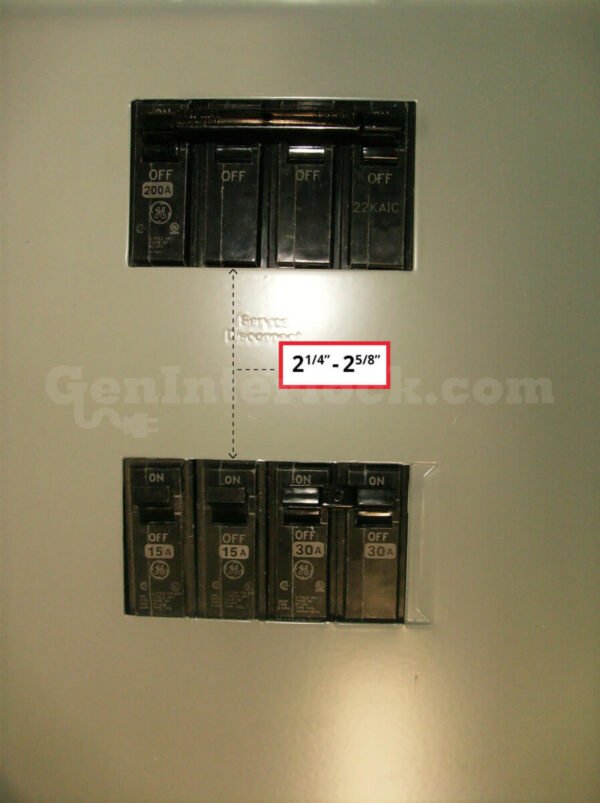
The sudden quiet that descends when the power goes out can be unsettling. No lights, no refrigerator humming, no Wi-Fi – just the stark reality of being disconnected. For many homeowners, a portable generator offers a powerful solution, bringing essential circuits back to life. But connecting that generator safely and legally to your home's electrical panel isn't as simple as plugging it into an outlet. That's where a crucial safety device, known as a generator interlock kit, comes into play.
An interlock kit is a mechanical marvel of simplicity and safety, designed to ensure your backup power system operates without jeopardizing utility workers or your home's electrical integrity. It's the critical link that transforms your portable generator from a standalone power source into a secure, integrated part of your home's emergency plan.
At a Glance: Generator Interlock Kits
- What it is: A mechanical safety device that physically prevents your main utility power and generator power from being on at the same time.
- Why it's essential: Eliminates dangerous "backfeeding" into the utility grid, protecting utility workers and preventing damage to your home's electrical system.
- How it works: When utility power fails, you manually switch off the main breaker, slide a plate, then switch on your generator breaker, safely isolating your home from the grid.
- What it powers: Allows you to select and power critical circuits like refrigerators, freezers, lights, Wi-Fi, well pumps, and furnace blowers.
- Typical Cost: Professionally installed, an interlock system typically ranges from $800 to $2,000, significantly less than a standby generator.
- Key Requirement: Must be installed by a licensed electrician, with proper permits and inspections, to ensure safety and code compliance.
The Invisible Threat: Why Backfeeding is So Dangerous
Imagine utility workers diligently repairing power lines during a storm, confident that the lines are de-energized. Now, imagine a homeowner, unaware of the risks, connects their portable generator directly to an unprotected outlet in their home. The generator's power could flow backward—or "backfeed"—out of the house, through the utility meter, and onto the supposedly dead power lines.
This scenario is not just hypothetical; it's a critical safety hazard. Backfeeding can send a lethal surge of electricity down power lines, severely injuring or even killing utility personnel. It can also damage your home's electrical system, appliances, and even pose a fire risk. This unseen danger is precisely why the National Electrical Code (NEC) and local jurisdictions strictly regulate how generators connect to home electrical panels.
What Exactly is a Generator Interlock Kit?
A generator interlock kit is a mechanical safety mechanism engineered to prevent this dangerous backfeeding. It's typically a metal plate or plastic slide that attaches to your main electrical panel. Its ingenious design physically blocks the main utility breaker and the dedicated generator breaker from being in the "on" position simultaneously. It's a simple, elegant solution rooted in mechanical physics, ensuring that only one power source can ever be active at a time.
Think of it like a railway switch: it can direct the train onto one track or another, but never both at once. Similarly, your interlock kit directs power from either the utility grid or your generator, creating a critical safety barrier.
How an Interlock Kit Works: Your Manual Path to Backup Power
The beauty of an interlock kit lies in its straightforward, manual operation. When the lights go out, here's the sequence you'll follow to safely restore power to essential circuits:
- Utility Power Loss: You notice the power is out.
- Turn Off Main Breaker: You go to your electrical panel and manually switch off the main utility breaker. This physically disconnects your home from the grid.
- Slide the Interlock Plate: With the main breaker now off, the interlock plate can slide, unlocking access to the generator breaker slot while simultaneously blocking the main breaker from being turned back on.
- Switch On Generator Breaker: You then flip the dedicated generator breaker to the "on" position. This allows power from your portable generator (which should already be running outside and connected via a proper inlet) to flow into your home's selected circuits.
- Power Specific Circuits: With the generator breaker on, you can then selectively turn on the individual circuit breakers for the appliances and areas you wish to power, managing your load carefully.
When utility power returns, the process is reversed: turn off generator circuits, turn off the generator breaker, slide the interlock plate back, then turn the main utility breaker back on. This ensures your home is always safely isolated from the grid when running on generator power.
The Clear Advantages: Why Choose an Interlock Kit?
Opting for an interlock kit system for your portable generator offers a compelling blend of safety, practicality, and cost-effectiveness:
- Uncompromised Safety: This is the paramount benefit. By preventing backfeeding, interlock kits protect utility workers from electrocution and safeguard your home's electrical system from potential damage. It's a non-negotiable safety feature.
- Significant Cost Savings: Compared to a fully automatic standby generator system, which can run anywhere from $10,000 to $18,000+, a professionally installed interlock kit and inlet system is a fraction of the cost, typically ranging from $800 to $2,000. This makes reliable backup power accessible to a much broader range of homeowners.
- Flexibility with Portable Generators: If you already own a portable generator or prefer the versatility it offers (e.g., using it for projects away from home), an interlock kit allows you to integrate it safely into your home's electrical system. This means you’re not limited to extension cords snaking through windows.
- Manual Control & Load Management: While some might see "manual" as a drawback, it actually gives you direct control. You decide exactly which circuits to power and when, allowing for precise load management to avoid overloading your generator. This is crucial for safe operation of your portable generator.
- Simplicity and Reliability: Interlock kits are purely mechanical devices, meaning fewer electronic components to fail. Their robust design ensures long-term reliability.
What Can You Power? Managing Your Essential Loads
One of the key advantages of an interlock system is the ability to selectively power your home's essential circuits. You're not powering the entire house; you're choosing what absolutely needs to run. Common circuits homeowners prioritize include:
- Refrigerator/Freezer: To prevent food spoilage.
- Lighting Circuits: For general illumination in critical areas.
- Wi-Fi/Outlet Circuits: Keeping communications and essential electronics charged.
- Well Pump: If you rely on well water, this is often a top priority.
- Gas Furnace Blower: To keep your home warm in winter (note: the furnace itself typically runs on gas, but the blower fan requires electricity).
The capacity of your portable generator dictates how many circuits, and which types of appliances, you can power simultaneously. This is where load management becomes critical. You must never attempt to draw more power than your generator can safely supply. Overloading a generator can lead to damage to the generator itself, circuit breakers tripping, and potential safety hazards.
Before installation, your electrician will conduct a "load review" to help you understand your power needs and make informed decisions about which circuits to connect. This also helps in choosing the right portable generator for your specific requirements.
The Installation Journey: What to Expect from a Professional
Installing a generator interlock kit is not a DIY project. It requires the specialized knowledge of a licensed electrician to ensure safety, functionality, and strict adherence to electrical codes. Here's a walkthrough of the typical professional installation process:
1. Panel Compatibility Evaluation
The first step is for your electrician to assess your existing electrical panel. Not all panels are created equal. They'll confirm the brand, model, and breaker layout to ensure a panel-specific, UL-listed interlock kit is available and compatible. Sometimes, minor potential electrical panel upgrades may be necessary if your current panel is outdated or lacks space.
2. Load Review & Generator Sizing
Your electrician will work with you to identify the essential circuits you wish to power during an outage. They'll help you calculate the wattage requirements for these circuits, factoring in both running watts and surge (starting) watts for motor-driven appliances. This evaluation is crucial for determining the appropriate generator size you'll need and for setting safe operating limits.
3. Permit Application
Before any physical work begins, your electrician will apply for a permit from your local Authority Having Jurisdiction (AHJ), such as the city or county building department. This is a non-negotiable step. Generator interlocks connect to your home's service equipment, and improper installations pose significant dangers. Permits ensure that the work will be inspected and verified for safety and code compliance.
4. Interlock Kit Installation
Once permits are secured, a licensed electrician installs the panel-specific interlock kit directly onto your existing electrical panel. This involves installing a dedicated generator breaker (usually 30 or 50 amps, depending on your generator), the mechanical safety hardware (the sliding plate), and making the necessary wiring connections according to the manufacturer's instructions and the National Electrical Code.
5. Generator Inlet Installation
An exterior, weather-rated generator inlet box is then installed on the outside of your home. This is the secure, code-compliant connection point where you'll plug in your portable generator. The inlet is wired directly to the newly installed generator breaker in your electrical panel, completing the safe pathway for power. The location of the inlet box is crucial; it must be installed a safe distance from windows and doors to prevent carbon monoxide (CO) fumes from entering your home.
6. Labeling & Operating Instructions
Clear, durable labels are applied to your electrical panel, identifying the generator breaker, the circuits powered by the generator, and providing concise operating instructions for both connection and disconnection. This ensures that anyone operating the system understands the correct, safe procedure and is warned against improper use.
7. Inspection & Approval
Finally, once the installation is complete, a local electrical inspector from your AHJ will perform a thorough inspection. They'll verify code compliance, confirm proper safety measures are in place, and ensure the interlock operates correctly, physically preventing simultaneous main and generator power. Only after passing this inspection is the system considered officially complete and safe for use.
Demystifying the Costs: What to Budget for Your Interlock System
One of the most attractive aspects of an interlock kit is its affordability compared to a full standby generator system. While prices can vary based on your specific circumstances, here's a typical breakdown of what you can expect to pay for a professionally installed generator interlock system:
- Interlock Kit & Dedicated Generator Breaker: $150 – $400
- This covers the cost of the mechanical interlock device and the specialized breaker that your generator will connect to. Prices vary by panel brand and amp rating.
- Labor & Panel Modifications: $350 – $800
- This is the cost for the licensed electrician's time and expertise to install the interlock kit, make any necessary internal wiring modifications to your panel, and ensure everything is up to code.
- Outdoor Generator Inlet & Wiring: $300 – $800
- This includes the weather-rated inlet box, the heavy-gauge wiring run from the inlet to your electrical panel, and the labor for its installation. The distance between your panel and the desired inlet location (which must be a safe distance from living spaces) significantly impacts this cost.
Total Professional Installation Cost: $800 – $2,000
Compared to the $10,000 – $18,000+ you might spend on a fully automatic standby generator system, the interlock kit provides a highly accessible and cost-effective solution for reliable backup power with a portable generator.
Factors that can influence your final cost include: - Type of Electrical Panel: Some panels are more complex or require specific, more expensive interlock kits.
- Distance to Inlet: A longer wire run from the outdoor inlet to your indoor panel will increase material and labor costs.
- Permitting Fees: Local jurisdictions charge varying fees for electrical permits.
- Necessary Electrical Upgrades: If your panel is old, full, or requires additional electrical panel upgrades to accommodate the new breaker, this will add to the total.
Navigating the Red Tape: Permits, Codes, and Your Responsibility
When dealing with your home's electrical system, there's a reason for all the rules and regulations: your safety and the safety of others. Understanding these regulations is crucial for a compliant and legal installation.
The National Electrical Code (NEC)
The National Electrical Code (NEC) is the bedrock of safe electrical installations across the United States. Adopted by virtually all state and local jurisdictions, it sets the standards that electricians must follow. Specifically, NEC Article 702 (Optional Standby Systems) mandates that transfer equipment, such as interlock kits, must prevent backfeeding. This isn't a suggestion; it's a critical safety requirement.
UL Listing and Recognition
For your safety and the assurance of performance, interlock kits (and generator inlets) must be listed and labeled by a nationally recognized testing laboratory (NRTL). The most common and widely recognized NRTL is Underwriters Laboratories (UL). A "UL Listed" mark signifies that the product has been tested against rigorous safety standards and found compliant. Never use an interlock kit that isn't properly listed.
Your Critical Responsibilities as a Homeowner
Ensuring a compliant and legal generator interlock installation boils down to a few critical actions on your part:
- Professional Installation is Non-Negotiable: Always, without exception, use a licensed and insured electrician. They possess the expertise to understand and adhere to all applicable codes, manufacturer instructions, and safety standards. Attempting a DIY installation on service equipment is dangerous and illegal.
- Obtain Necessary Permits: This cannot be stressed enough. Secure the required permits from your local building department before any work begins. Your electrician should handle this process, but you, as the homeowner, are ultimately responsible for ensuring it happens.
- Pass Required Inspections: After the installation is complete, an inspector from your local AHJ will verify the work. Schedule and pass these inspections. This is your final verification that the system is safe and compliant.
The Grave Risks of Skipping Steps
Cutting corners on permits or professional installation carries severe consequences:
- Unsafe & Unverified Installations: Without professional expertise and inspections, you have no guarantee that your system is installed correctly or safely, putting your home and family at risk.
- Failed Home Inspections During Resale: Unpermitted or improperly installed electrical work is a major red flag during a home sale, often requiring costly remediation before closing.
- Insurance Claim Denial: If an electrical fire or incident occurs due to an unpermitted or uninspected interlock system, your homeowner's insurance policy may deny claims, leaving you financially exposed.
- Liability Exposure: Should backfeeding occur, and a utility worker is injured or killed, you could face significant legal liability.
- Fines and Penalties: Local jurisdictions can impose fines and require costly rework for unpermitted electrical installations.
Permits and professional oversight aren't just bureaucratic hurdles; they are vital safeguards that protect you, your home, and the community. For further details, it's beneficial to have a basic understanding the National Electrical Code.
Local Variations: When to Check Your AHJ
While national standards like the NEC provide a baseline, state and local legal requirements can vary. Local Authorities Having Jurisdiction (AHJs) often impose further ordinances, permitting, and inspection mandates specific to their area.
It's entirely possible that some local jurisdictions may have a preference for, or even mandate, a full transfer switch over an interlock kit in certain situations, or they may have specific requirements for interlock installations (e.g., specific brands, types of panels). Always consult your local building department or electrical inspector to understand the precise rules and requirements in your community before proceeding with any generator connection.
Interlock Kits vs. Transfer Switches: Which is Right for You?
While this article focuses on interlock kits, it's important to understand where they fit in the broader landscape of generator connection options, particularly in relation to transfer switches.
- Generator Interlock Kit:
- Best For: Homeowners with portable generators who want a cost-effective, safe, manual way to power selected circuits.
- Operation: Manual. Requires you to manually turn off the main breaker, slide the interlock, and turn on the generator breaker.
- Cost: Generally $800-$2,000 professionally installed.
- Generator Type: Portable.
- Circuits: Selected circuits, chosen manually.
- Manual Transfer Switch:
- Best For: Homeowners with portable generators who prefer a dedicated subpanel for generator circuits.
- Operation: Manual. You manually flip a switch on the transfer panel, but it's often a single switch that transfers power to pre-wired circuits.
- Cost: Slightly higher than an interlock kit, as it involves a separate panel.
- Generator Type: Portable.
- Circuits: Selected circuits, pre-wired to the transfer switch panel.
- Automatic Transfer Switch (ATS) / Standby Generator:
- Best For: Homeowners seeking fully automatic, hands-off backup power for the entire home or a large number of circuits.
- Operation: Automatic. Detects power loss, starts the generator, and transfers power automatically, often within seconds.
- Cost: Significantly higher ($10,000-$18,000+), as it includes the generator and complex installation.
- Generator Type: Permanent, stationary (standby).
- Circuits: Typically powers the entire home or a large, predefined set of circuits.
For most homeowners looking to connect a portable generator safely and affordably, an interlock kit strikes an excellent balance of safety, functionality, and cost.
Common Questions About Generator Interlock Kits
Let's address some frequently asked questions that homeowners often have about these vital devices.
Can I install a generator interlock kit myself?
No. Installing a generator interlock kit involves working with your home's main electrical panel, service entrance wiring, and high-voltage electricity. This work must be performed by a licensed and insured electrician to ensure safety, proper function, and compliance with all local and national electrical codes (NEC). Attempting a DIY installation is dangerous and illegal.
Do I need a permit to install an interlock kit?
Yes, absolutely. Any modification or addition to your home's main electrical service equipment, including the installation of an interlock kit and generator inlet, requires a permit from your local Authority Having Jurisdiction (AHJ). This ensures the work is inspected and verified for safety and code compliance, protecting you and utility workers.
What is the difference between a generator interlock kit and a transfer switch?
Both prevent backfeeding. An interlock kit is a mechanical device installed directly in your existing electrical panel that physically prevents the main and generator breakers from being on simultaneously. A transfer switch (manual or automatic) is a separate device or subpanel that explicitly transfers power from the utility to the generator. Interlocks are generally simpler and more cost-effective for portable generators powering selected circuits within your existing panel.
Can an interlock kit power my entire house?
An interlock kit allows you to power selected circuits within your home. It does not automatically power the entire house. The number of circuits you can power depends on your portable generator's wattage capacity and your careful load management. For whole-house power, a larger, often permanently installed, standby generator with an automatic transfer switch is typically required.
Is a UL-listed interlock kit important?
Extremely important. A UL-listed (or NRTL-listed) interlock kit has been tested and certified to meet stringent safety and performance standards. Using a non-listed or generic device can lead to malfunctions, safety hazards, and may not pass inspection, potentially voiding insurance. Always ensure your interlock kit is listed and labeled by a nationally recognized testing laboratory.
What size generator do I need for an interlock kit?
The generator size depends on the total wattage of the specific circuits and appliances you plan to power simultaneously. Your electrician will help you conduct a load calculation during the initial assessment. It's crucial not to overload your generator or exceed the capacity of your generator breaker (e.g., a 30-amp breaker needs a generator that can deliver at least 7,200 watts at 240V, or 3,600 watts at 120V per leg).
Where should the generator inlet be installed?
The generator inlet must be installed outdoors, in an easily accessible location, a safe distance (typically at least 5 feet) from any windows, doors, or air intakes to prevent dangerous carbon monoxide (CO) fumes from entering your home. Your electrician will ensure proper placement according to local codes.
Making the Smart Choice for Your Home's Backup Power
The peace of mind that comes with knowing you can safely restore power to your home during an outage is invaluable. Understanding generator interlock kits is the first step toward achieving that security. They represent a smart, safe, and cost-effective solution for integrating a portable generator into your home's electrical system, protecting both your family and the dedicated utility workers who maintain our grid.
Don't let the technical jargon or the permitting process intimidate you. When you work with a qualified, licensed electrician, they will guide you through every step, from evaluating your panel to securing permits and completing the final inspection. By investing in a professionally installed generator interlock system, you're not just buying a piece of hardware; you're investing in safety, resilience, and the comfort of knowing you're prepared for whatever comes next. Make the informed choice, prioritize safety, and empower your home with secure backup power.